Make bathing easier without guessing what's involved
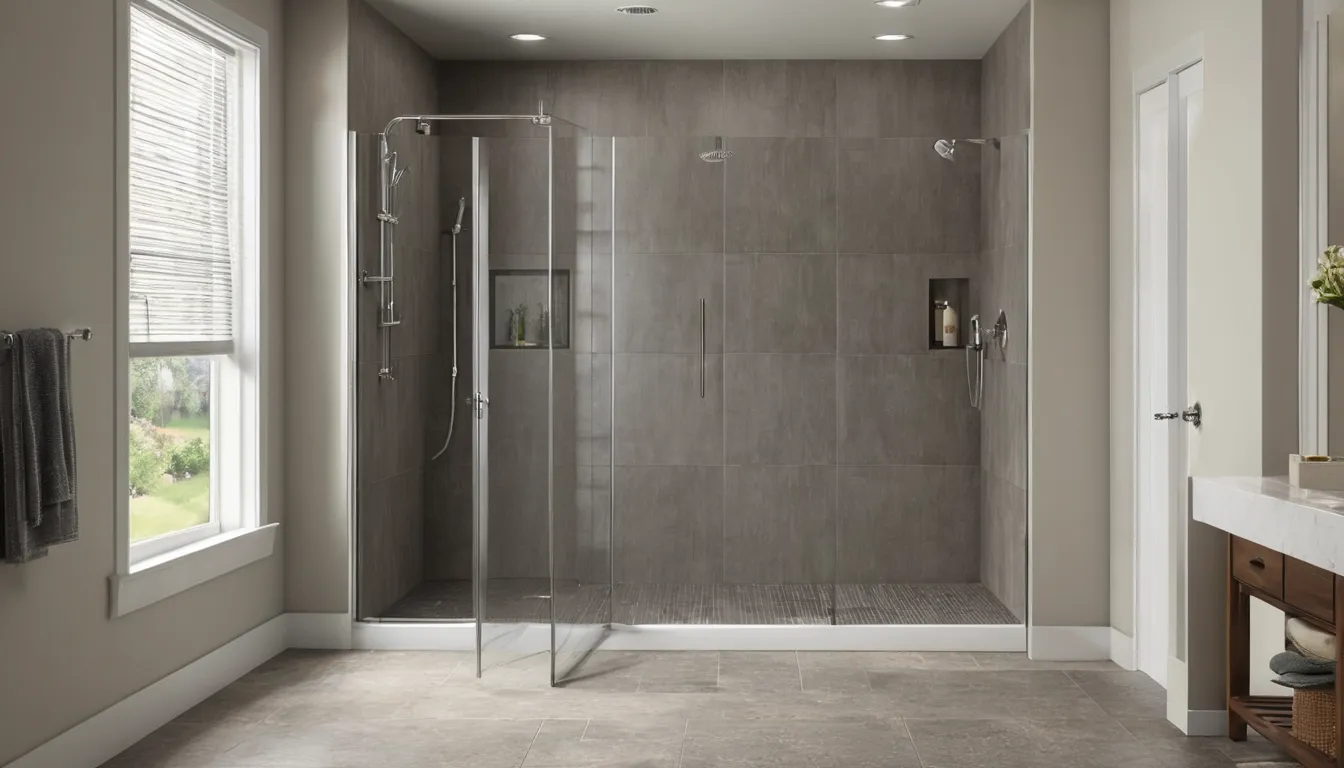
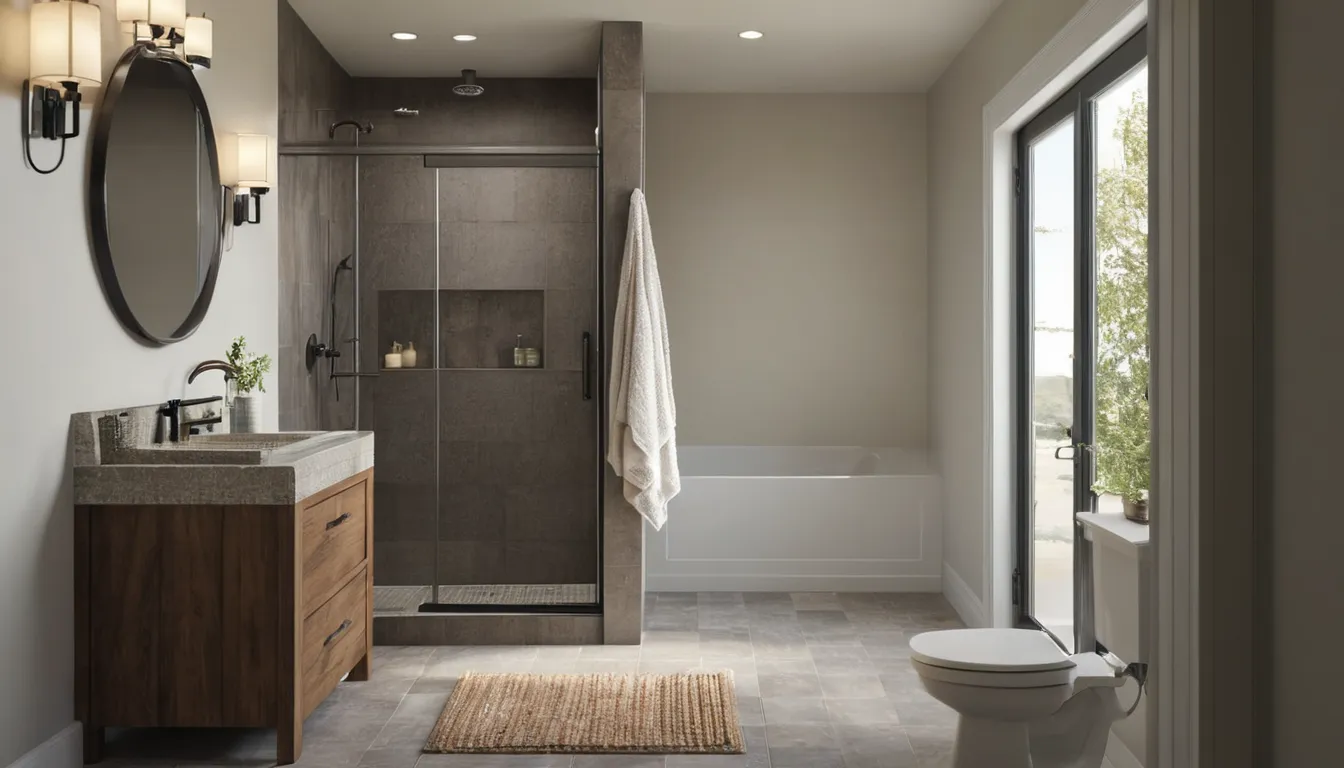
If getting over the tub wall has become a problem, start there. Tell a local provider what feels difficult and who uses the room. A walk-in tub may suit seated soaking. A shower may fit a different routine. The useful choice depends on the person, the space, and how the bathroom works each day.
Monitorwet Walk-In Tubs is a referral service for homeowners in Tucker, GA. We connect you with independent providers for Walk-In Tubs, Walk-In Showers Help, and Tub-to-Shower Conversions Help. The provider checks the site, explains the work, and gives you an estimate. Monitorwet Walk-In Tubs does not install bathing equipment or perform construction.
Request a callback to discuss your project and check provider availability. Explain whether this is your only bathroom. Mention work shifts, school mornings, or other times when access matters. Those details belong in the first conversation.
You do not need a product picked out before making contact. A few room photos and a short list of problems give the discussion a useful start. Ask what needs an on-site visit and what can be discussed first. If the form is easier, use it to request an estimate. Keep your notes handy so you can compare the written scope later.
Clear Roles
Know who handles the job
Monitorwet Walk-In Tubs helps you connect with a local provider. That is the role. Providers in our network are independent businesses. They assess the bathroom, propose a scope, set their prices, and carry out the work you agree to. Your project agreement is with the provider. Ask who handles questions before work starts and who to contact if something needs attention afterward. Get those details in writing with the estimate.
Start with your daily routine
A bathroom can look roomy and still be hard to use. Think through the full routine. Where do clothes and towels go? Can the door open without blocking the path? Is there room for someone to help? Say what happens on a normal morning. If several people share the room, explain their different needs. Senior walk-in tubs are one option to discuss, but the product name alone does not show whether a tub fits the person or the room.
Ask about the days of work
Keep routines moving by discussing disruption early. Ask when the bathing area would be out of use, where materials would sit, and how workers would reach the room. The provider should explain the planned sequence and what could change it. Hidden plumbing issues or damage found after removal may affect the scope. For a home with one bathroom, ask which fixtures could remain usable at each stage. Set a backup bathing plan before agreeing to a start date.
Put the scope on paper
A useful estimate names the product and the work around it. Ask about removal, disposal, plumbing changes, wall finishes, flooring repairs, and cleanup. Find out whether electrical work or permits are part of the proposed job. Record any items that are excluded. Compare scopes before comparing totals. A smaller number may describe less work. If the provider finds an added repair, ask how a written change and its price would be approved before that work begins.
Keep one project folder
Save room photos, measurements, product details, estimates, and messages together. Label photos by what they show. A doorway photo serves a different purpose from a close view of the drain. Keep dated notes of decisions so another household member can follow them. If you plan to ask an insurer about any part of the project, request its documentation rules before proceeding. Do not assume a bathing upgrade is covered. The provider's estimate describes the proposed work; your insurer explains your policy. Keeping those answers together helps you avoid treating a verbal discussion as an agreed project detail.
Discuss Your Local Project
For a project in Tucker or elsewhere in the Tucker area, share your location when you get in touch. Provider coverage and availability vary. Confirm that a provider serves your address before setting up a visit. Monitorwet Walk-In Tubs helps make the connection; the provider confirms the project details.
Homes across the area have different starting points. An older house may have a tight doorway or plumbing that has changed over time. A newer house may have more floor space but still lack a useful bathing layout. Neither age nor appearance tells the whole story. Photos help begin the discussion, while an on-site assessment can reveal details a photo misses.
Mention whether the home has a crawl space or a slab foundation, if you know. Access below the bathroom can affect how a provider approaches drain or supply changes. You do not need to inspect beneath the house yourself. Let the provider identify what needs checking.
Humid weather also makes bathroom ventilation worth discussing. Ask whether the existing fan and proposed wall materials suit the updated room. During storms or icy weather, confirm any changes to delivery or site access directly with the provider.
Request a callback to check coverage for your address and explain the bathing project you have in mind. Include parking limits or steps along the route to the bathroom.
Plan Around the Household You Have
One bathroom needs a plan
If everyone shares one bathroom, lost access affects the whole day. Tell the provider before the estimate is prepared. Ask which parts of the room would be unavailable and at what stages. Do not assume the toilet or sink can stay in use throughout the project. Arrange a workable alternative before removal starts.
Check the route indoors
The new unit has to reach the bathroom. Doorways, hallway turns, stairs, and furniture all matter. Take photos of the route as well as the room. Ask who moves nearby items and how floors along the route would be protected. Keep agreed access paths clear of household clutter on scheduled workdays.
Match features to real needs
A seat, grab bar, or low entry needs the right placement to be useful. Discuss how the person enters, turns, sits, and reaches the controls. If you are searching for handicap accessible showers, describe the space and help needed instead of relying on that label. A provider can explain layout limits. A clinician or occupational therapist can advise on personal mobility needs.
Understand the bathing sequence
With many walk-in tubs, the user enters before filling and waits for draining before opening the door. Ask the provider to explain the proposed model's operation. Discuss water heater capacity, control reach, and the door swing. These details affect everyday use. Review them before choosing a model, especially if the room is shared.
Keep records easy to find
Put details in writing while choices are fresh. Save the selected model, finish, fixture locations, and payment terms with the estimate. Ask how product warranties and workmanship terms differ, and who handles each. Keep completion photos and care instructions too. A simple folder is easier to use than a scattered trail of messages.
Leave room for changes
Work can reveal worn pipes or damaged material behind the old unit. Ask how the provider would document a finding and present options. Decide who in the household can approve changes. If that person is away during the day, agree on a way to review written details without holding up decisions or accepting work by mistake.
Discuss Your Bathroom
Request a callback to check provider availability and explain what needs to change. Mention your location, the current tub or shower, and whether this is your only bathroom. Monitorwet Walk-In Tubs connects homeowners with independent local providers; the provider assesses and quotes the work.
Prefer to write it down? Use the form to request an estimate. Include your main access concern and schedule limits. A short, clear description helps start a useful conversation about the room.